
Supporting Your Body's Natural Ability to Thrive
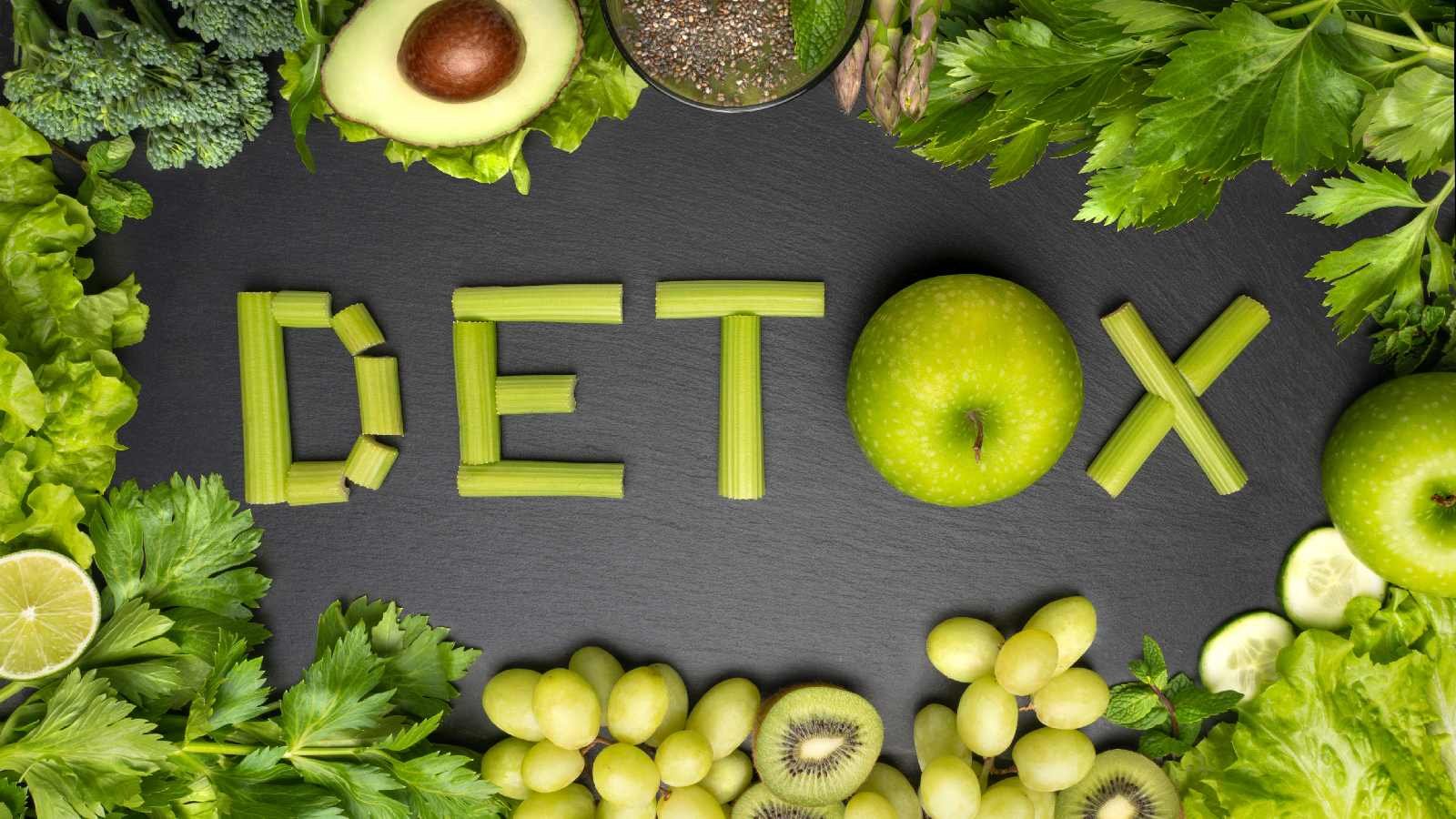
Today I am writing about a topic that often makes people cringe: detoxification.
For many people, the word "detox" immediately brings to mind images of juice cleanses, water fasts, lemon detoxes, cabbage soup diets, and feeling miserable for a week. You may have tried one yourself and wondered whether the headaches, cravings, and exhaustion were really worth it.
I remember my first detox. I was 18 years old, studying Beauty Therapy at TAFE in Victoria. A group of girls in my class decided to do a week-long detox together. It involved eating large amounts of watermelon and other fruits and vegetables while drinking litres of lemon water each day.
To be honest, I found it challenging at first. But once it was over, I noticed I felt lighter, more energised, and clearer headed.
These are some of the benefits people often associate with detoxification. However, before we discuss how to support detoxification properly, it's important to understand what detoxification actually is—and why it matters.
What Is Detoxification?
Contrary to popular belief, detoxification isn't something that only happens during a cleanse or special program.
Detoxification is a natural process occurring in your body every single day.
At the centre of this process is the liver—one of the most remarkable organs in the human body.
The liver performs hundreds of essential functions, including:
Processing nutrients from food
Regulating metabolism
Producing important proteins and hormones
Storing vitamins and minerals
Breaking down and eliminating toxins
You can think of the liver as the body's own processing and recycling centre.
Every day, nutrients, hormones, medications, environmental chemicals, and metabolic waste products travel through the bloodstream to the liver. The liver then decides what to store, what to transform, what to recycle, and what to eliminate.
The Three Phases of Detoxification
Phase 1: Activation
The first stage of detoxification is known as Phase 1.
During this phase, liver enzymes transform toxins and chemicals into intermediate compounds that are more water-soluble and easier to process.
This step is essential because many toxins are fat-soluble, making them difficult for the body to eliminate.
However, there is a catch.
The compounds produced during Phase 1 are often more reactive and potentially more damaging than the original toxins themselves. If these compounds are not quickly neutralised, they can contribute to oxidative stress and cellular damage.
This is one reason why some people feel worse when they start a detox program.
Phase 2: Conjugation
The second stage is called Phase 2 Detoxification, or conjugation.
This is where the liver attaches nutrients such as amino acids, sulfur-containing compounds, and other molecules to the activated toxins from Phase 1.
This process neutralises them and prepares them for safe elimination through the bile, kidneys, and digestive tract.
This is where many popular detoxes fall short.
Juice cleanses may provide antioxidants and phytonutrients, but they often lack the protein and amino acids required for effective Phase 2 detoxification.
Without adequate protein, the body may struggle to neutralise and eliminate toxins efficiently.
As a result, those intermediate compounds can continue circulating through the body, contributing to symptoms such as:
Headaches
Fatigue
Brain fog
Skin breakouts
Irritability
Poor concentration
This is why a well-designed detoxification program should support both Phase 1 and Phase 2 pathways.
Phase 3: Elimination
The final stage is elimination.
Once toxins have been processed by the liver, they must leave the body.
This occurs primarily through:
The bowel
Urine
Sweat
Breath
Healthy digestion and regular bowel movements are crucial.
If toxins are released into the bowel but not effectively eliminated, they may be reabsorbed back into circulation.
For this reason, gut health plays a vital role in detoxification.
In clinical practice, we often focus on supporting digestive health before undertaking any detoxification program. A healthy gut helps ensure toxins leave the body efficiently rather than being recycled.
Why Is Detoxification So Important Today?
While our bodies have always been designed to detoxify, modern life places a much greater burden on these systems than ever before.
We are exposed daily to thousands of chemicals through:
Food
Water
Air pollution
Cleaning products
Personal care products
Cosmetics
Plastics
Household furnishings
Medications
Research suggests that synthetic chemical production has increased dramatically over the past century, and many compounds have limited long-term safety data available.
The average person is exposed to a vast number of environmental chemicals every day.
This doesn't mean we should live in fear.
It simply means that supporting the body's natural detoxification systems has never been more important.
Additional Stress on the Liver
Environmental toxins are only part of the picture.
The liver is also responsible for processing:
Alcohol
Caffeine
Prescription medications
Recreational drugs
Hormones
Metabolic waste products
For women, this is particularly important during perimenopause and menopause, when fluctuating hormone levels can place additional demands on detoxification pathways.
Add chronic stress, poor sleep, processed foods, and nutritional deficiencies, and it becomes easier to understand why so many people feel exhausted, inflamed, and overwhelmed.
Signs Your Body May Need Detoxification Support
While everyone can benefit from reducing their toxic load, some signs may indicate your detoxification systems need additional support.
These may include:
Persistent fatigue
You feel tired even after a full night's sleep.
Brain fog
Difficulty concentrating, poor memory, or mental fatigue.
Frequent headaches
Especially when accompanied by fatigue or digestive issues.
Skin concerns
Acne, eczema, rashes, dull skin, or unexplained breakouts.
Poor digestion
Bloating, constipation, sluggish bowel movements, or discomfort after eating.
Frequent illness
You seem to catch every cold or virus that comes your way.
High caffeine reliance
You need multiple coffees simply to get through the day.
Regular alcohol consumption
Even moderate intake can increase the liver's workload.
Exposure to environmental toxins
Including pesticides, herbicides, cigarette smoke, industrial chemicals, or heavy use of conventional personal care products.
Simple Ways to Reduce Your Toxic Load
The good news is that supporting detoxification doesn't require extreme cleanses or starvation diets.
Small, sustainable changes can make a significant difference.
Eat More Whole Foods
Focus on:
Vegetables
Fruit
Quality protein
Healthy fats
Fibre-rich foods
These provide the nutrients needed for effective detoxification.
Increase Fibre Intake
Fibre supports healthy bowel movements and assists in the elimination of toxins.
Aim to include:
Vegetables
Legumes
Nuts and seeds
Whole grains (if tolerated)
Choose Cleaner Personal Care Products
Reducing exposure to unnecessary chemicals can lower the burden placed on detoxification pathways.
Look for products free from:
Parabens
Phthalates
Synthetic fragrances
Filter Your Water
A quality water filtration system may help reduce exposure to contaminants commonly found in municipal water supplies.
Reduce Alcohol Intake
Giving the liver regular breaks can significantly improve overall health and wellbeing.
Prioritise Sleep
Many detoxification and repair processes occur during sleep. Quality rest is one of the most powerful health interventions available.
Manage Stress
Chronic stress impacts every system in the body, including digestion, immunity, hormone balance, and detoxification capacity.
The Benefits of Supporting Detoxification
When the body's detoxification pathways are functioning optimally, many people experience:
Increased energy
Improved mental clarity
Better digestion
Reduced bloating
Clearer skin
Improved mood
Enhanced resilience
Greater overall wellbeing
Often these changes can begin to occur within just a few weeks of making targeted dietary and lifestyle changes.
Final Thoughts
Detoxification isn't about punishment, deprivation, or surviving on juice for a week.
It's about supporting the body's natural ability to process and eliminate the substances we encounter every day.
By nourishing the liver, supporting the gut, reducing toxic exposure, and providing the nutrients the body needs to function optimally, we can help create the foundations for better energy, improved health, and long-term vitality.
If you would like to learn more about detoxification or explore whether a personalised detoxification program may be right for you, we would love to help.
At Zen on Elliott, our team can guide you through a safe, evidence-informed approach to supporting detoxification and restoring optimal health.
Book a consultation with Kellie or Wendy today and take the first step towards feeling more energised, clear-headed, and vibrant.
Disclaimer: This article is intended for educational purposes only and should not be considered medical advice. Always seek personalised advice from a qualified healthcare practitioner before commencing any detoxification or health program.